
A Beginner's Guide to the Coral Triangle: Why It's the Epicentre of Marine Biodiversity
The Coral Triangle holds more marine species than anywhere else on Earth. Here's what makes it so rich, what threatens it, and how to visit its reefs well.
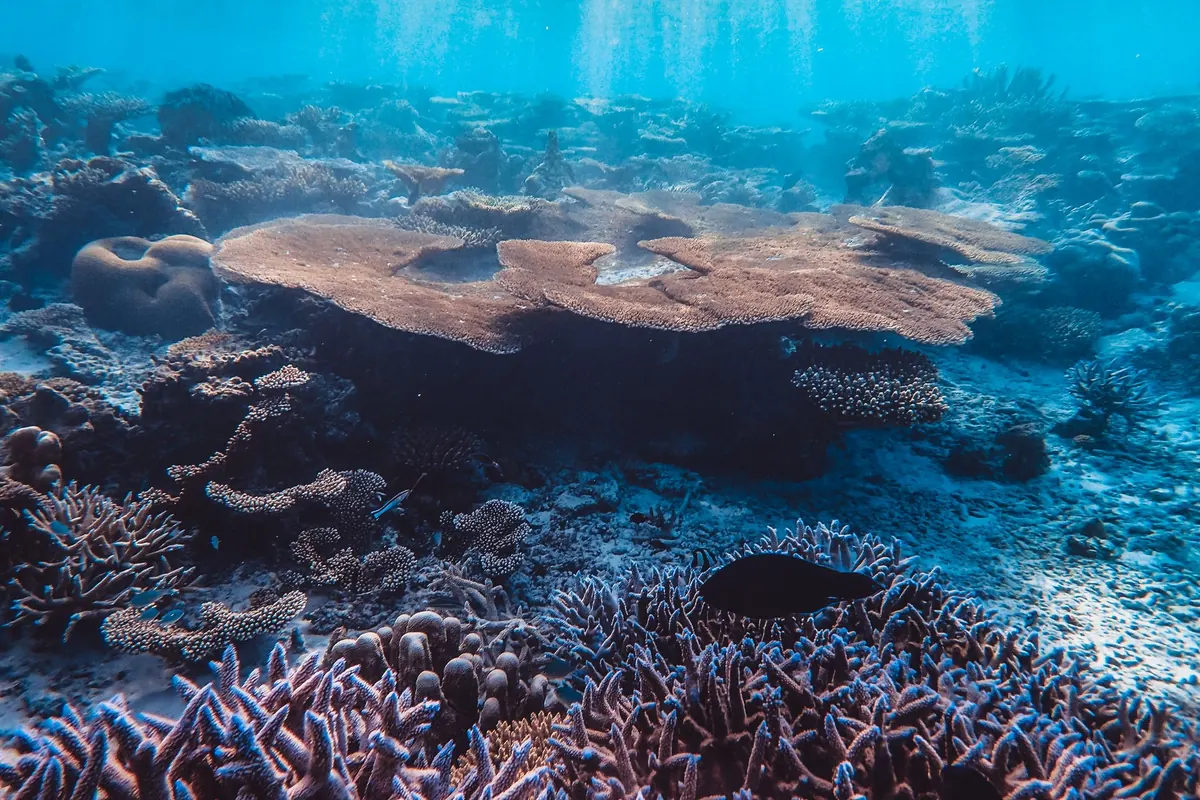
The name is grand, and for once it is earned. Draw a rough triangle from Indonesia up through the Philippines, across to Papua New Guinea and down past the Solomon Islands, and you have enclosed the richest stretch of ocean on the planet. Researchers have been counting species here for decades, and the totals keep climbing. For anyone learning about coral reefs, it is the best case study there is: what a reef system looks like when it has everything it needs, and what is at stake when those conditions change.
It is also a region where small choices by visiting divers add up quickly, for better or worse. Understanding the place is the first step towards not damaging it.
What the Coral Triangle Covers
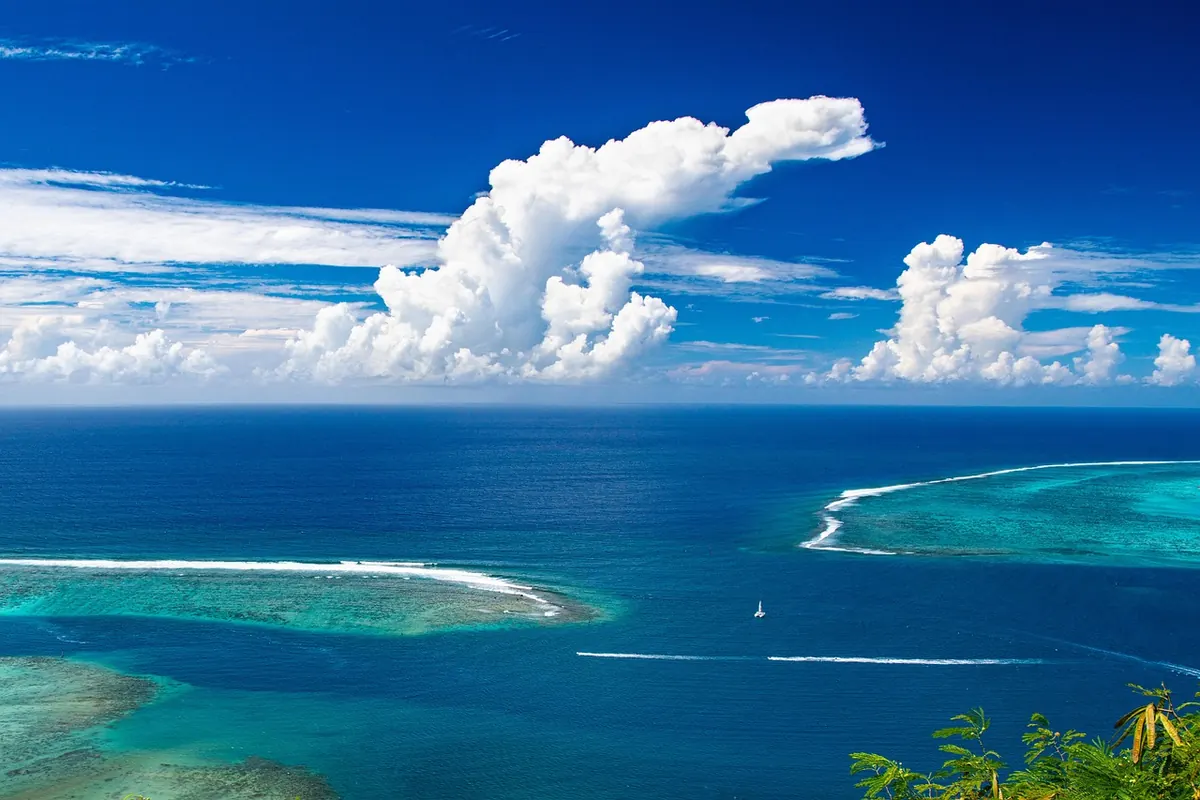
Six countries share the region: Indonesia, the Philippines, Malaysia (chiefly Sabah), Papua New Guinea, Timor-Leste and the Solomon Islands. Inside sit thousands of islands, deep basins, narrow straits and wide shallow shelves, covering an area of ocean often quoted at around 5.7 million square kilometres.
It is not a single reef or one marine park. It is a seascape, and that distinction matters. Reefs here are close enough to one another, and the currents between them strong enough, that coral larvae, fish eggs and juvenile animals travel from one to the next. When a reef is damaged, its neighbours can help reseed it. When damage is widespread, that safety net frays.
Why the Diversity Is So High
Three factors line up in the Coral Triangle, and each one compounds the others.
Warm, shallow water. Sunlight reaches the reef floor across enormous shallow shelves, so the symbiotic algae living inside coral tissue — the ones that effectively feed the reef — can work at scale.
A crossroads of oceans. Water flows between the Pacific and the Indian Ocean through Indonesian straits, mixing deeper, nutrient-rich water with warm surface layers. That drives plankton blooms, and plankton feeds everything above it.
Varied habitats. There is fringing reef, yes, but also mangroves, seagrass beds, lagoons, steep drop-offs and seamounts. Species specialise. Mangroves and seagrass act as nurseries for juvenile fish that later move out to the reef, so the reef's populations of some species depend on habitats that are not reef at all.
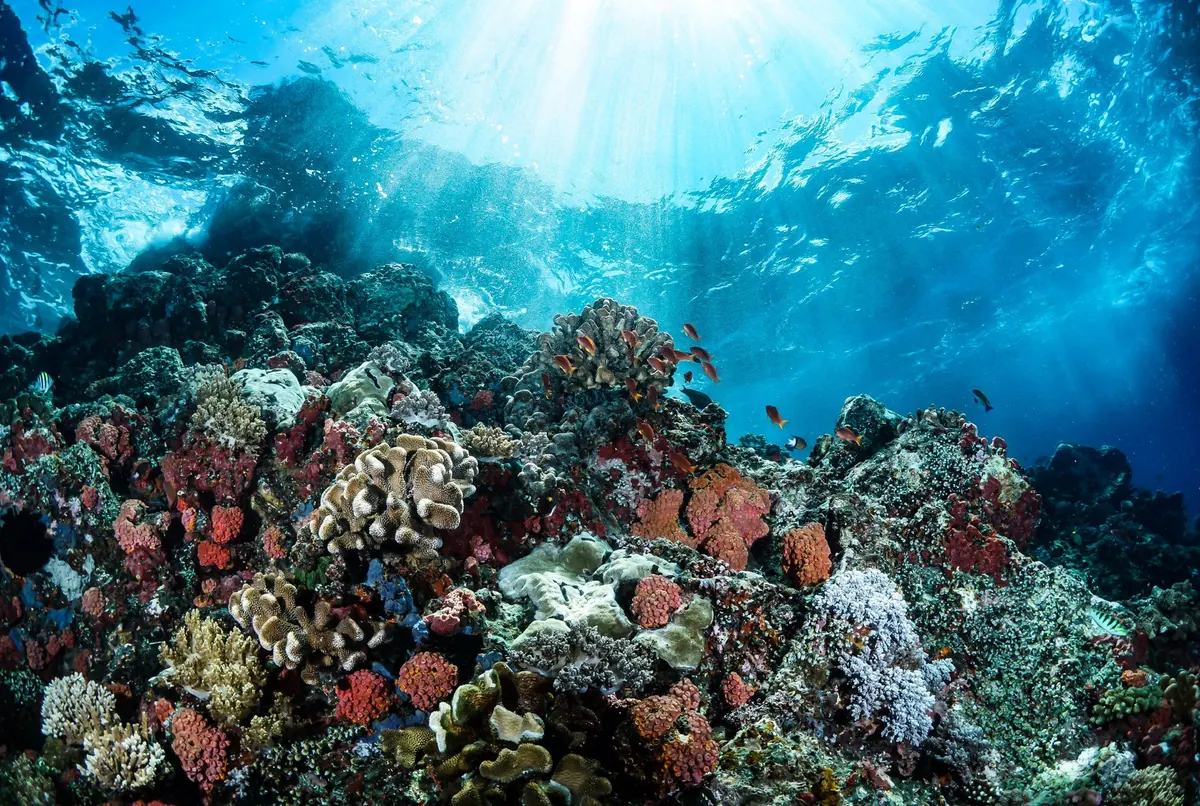
The result is a species list that is difficult to take in: several hundred types of reef-building coral — far more than the Caribbean's few dozen — well over two thousand reef fish, plus sponges, molluscs, crustaceans and everything that grazes, filters or hunts them.
The Marine Life You Might Encounter
Any single dive site will show you a fraction of that. A realistic list of what turns up regularly:
- Reef fish in numbers — parrotfish and surgeonfish grazing algae, clouds of anthias above the coral, fusiliers and snappers streaming past points.
- Small, territorial residents — anemonefish, damselfish, gobies and blennies among the rubble and coral heads.
- Reef sharks — blacktip, whitetip and grey reef sharks, most often on current-swept corners and inside atolls.
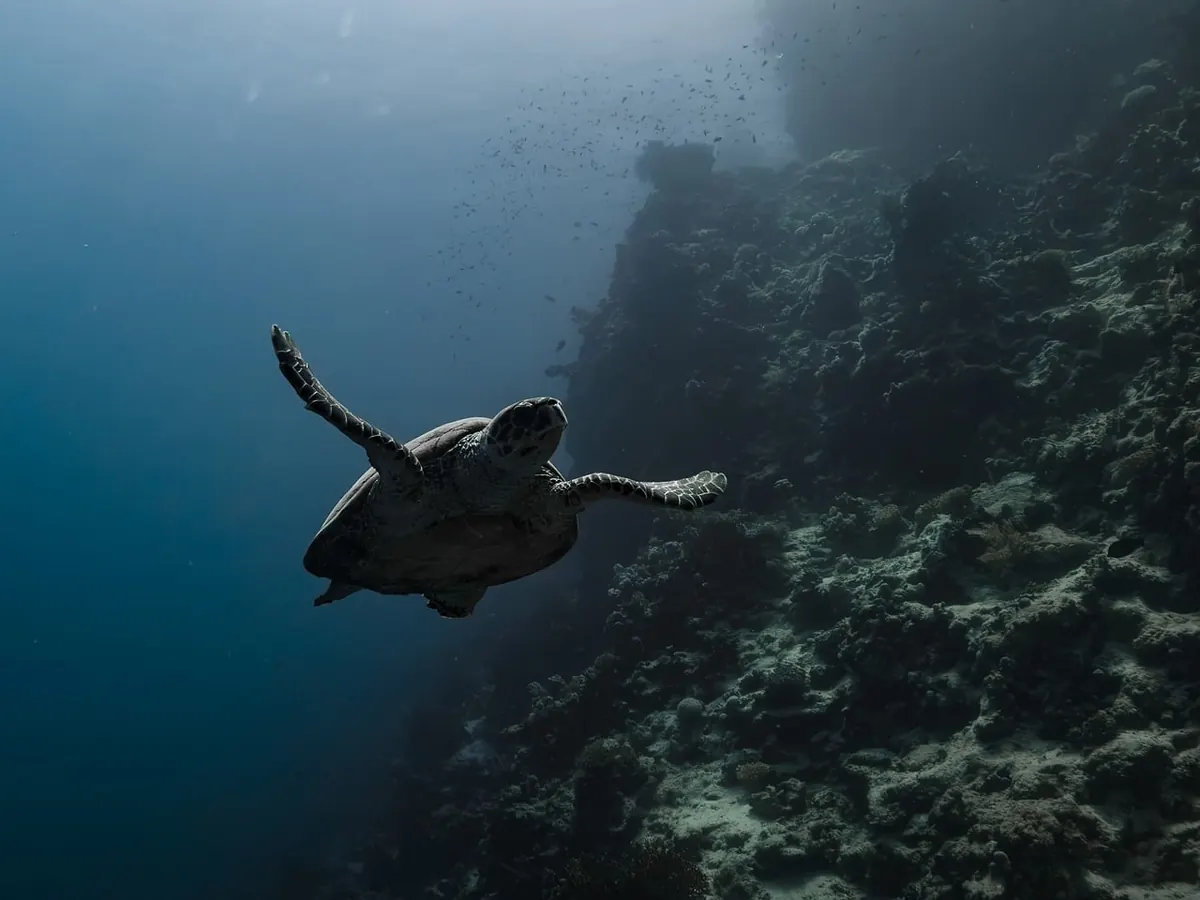
- Sea turtles — green and hawksbill turtles feeding on seagrass and sponges, with important nesting beaches across the region.
- Manta rays and whale sharks — plankton feeders that follow seasonal blooms in places such as Komodo, Raja Ampat and several Philippine islands.
- Cephalopods and night life — octopus, cuttlefish and reef squid, often the highlight of a torch-lit dive.
Nudibranchs and other small creatures deserve their own mention. Muck diving in the region is a specialist pursuit for good reason, and it rewards patience over speed.
Why It Matters Well Beyond the Reef
These reefs feed people. More than a hundred million people live within the region, and a great many coastal communities depend on reef fish for protein and income, often fishing from small boats with limited alternatives if stocks decline.
The Coral Triangle also functions as a nursery for the wider ocean. Yellowfin, bigeye and skipjack tuna spawn in these waters, then range across the Pacific, which means fisheries far from Indonesia or the Solomons ultimately rest on conditions here. Reef organisms are also studied for compounds with potential medical uses — another reason a healthy reef is worth more intact than broken up.
The Pressures It Faces
Marine heatwaves are the biggest single stress. Prolonged warm water causes corals to expel their algae and turn white, and the region has experienced repeated mass bleaching events. Corals can recover if the heat passes quickly and other pressures are low, but recovery takes years.
Fishing practices matter just as much. Blast fishing and cyanide fishing damage reef structure directly. Heavy removal of grazing fish such as parrotfish leaves algae free to smother coral, which stops new coral settling.
On land, clearing of mangroves, mining runoff, agricultural fertiliser and sediment from construction all end up on the reef, where they block light and smother tissue. Poorly managed tourism adds anchoring damage, diver contact and waste on top. None of these problems is unique to the Coral Triangle, but they land on a system that more species depend on.
Seeing It for Yourself
Choosing a base
Well-known starting points include Raja Ampat and Komodo in Indonesia, Bunaken and Wakatobi, Tubbataha in the Philippines, Kimbe Bay in Papua New Guinea and sites around the Solomon Islands. Each has a different character: Raja Ampat is about sheer diversity, Komodo about currents and big animals, muck sites about the small and strange.
Timing and conditions
Seasons vary by location, and the best window for calm water is often the worst for visibility elsewhere in the region. Ask a dive centre what conditions are typically like in the month you plan to travel, and be honest about your experience level — some of the finest sites sit in strong current.
Practical Steps Before You Go
- Pick an operator that employs local guides and briefs on buoyancy before the first dive. Local knowledge is usually better, and the money stays in the community.
- Do a buoyancy refresher if you have not dived recently. Most diver damage comes from accidental contact, not intent.
- Keep hands, fins and cameras off the reef. No holding on to coral for a photograph, and no chasing animals for a better angle.
- Cover up rather than cream up. A rash vest and leggings reduce how much sunscreen ends up in the water; if you do use sunscreen, choose a mineral product and check the label. Ask a pharmacist if you are unsure what suits your skin.
- Refuse coral, shell and shark-fin souvenirs, and ask restaurants what they are serving if you are unsure.
- Report what you see. Many dive centres log sightings and bleaching observations to reef monitoring projects, and that data is genuinely used.
The reefs of the Coral Triangle reward people who slow down and look properly. Learn a handful of fish families before you travel, dive within your limits, and spend your money where it supports the people protecting the reef. That is a better trip, and a more useful one.
Photo: wewe yang / Pexels